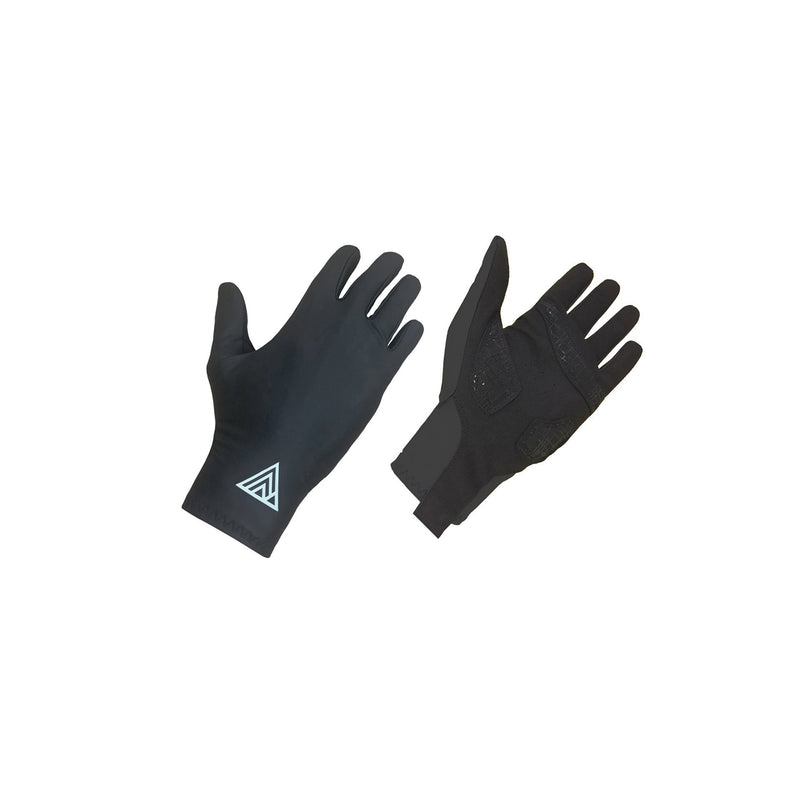
When the race clock is ticking and every watt counts, the right pair of aero gloves can be the silent hero behind a rider’s performance. Designed to reduce drag, improve handling, and protect the hands during high-intensity efforts, these gloves have become a staple for serious cyclists. Selecting the perfect pair involves more than just picking a sleek design; it requires an understanding of fit, material technology, and the specific demands of racing. This guide walks through the essential factors to consider, helping riders choose the optimal aero gloves for their next competition.
Why Aero Gloves Matter in Racing
Aero gloves are engineered to streamline the hand-bar interface, minimizing turbulence that can sap speed. In addition to aerodynamic benefits, they provide:
- Enhanced grip on wet or sweaty handlebars.
- Compression that reduces hand fatigue on long climbs.
- Protection against abrasions in the event of a crash.
- Temperature regulation through breathable fabrics.
Integrating these advantages can shave precious seconds off a time trial or improve confidence during a sprint finish.
Key Features to Evaluate
1. Aerodynamic Shape and Surface
The glove’s silhouette should follow the natural curve of the hand, allowing the rider to tuck the fingers close to the aero bars. Look for:
- Low-profile seams that don’t disturb airflow.
- Silicone or rubberized palm inserts that stay flat against the bars.
- Smooth, matte finishes that reduce drag compared to glossy materials.
2. Material Construction
High-performance fabrics such as Lycra, polyester blends, and engineered mesh provide a balance of stretch and durability. Consider:
- Four-way stretch for a snug, responsive fit.
- Moisture-wicking properties to keep hands dry.
- Reinforced stitching in high-stress zones.
3. Fit and Sizing
A proper fit is crucial; a glove that’s too loose creates wind resistance, while one that’s too tight restricts blood flow. Most manufacturers offer a sizing chart based on hand circumference. Tips for a perfect fit:
- Measure around the knuckles (excluding the thumb).
- Choose a size that allows a fingertip to slide just under the glove’s cuff.
- Check for a secure yet comfortable wrist closure, often a silicone strap.
4. Padding and Protection
Racing gloves typically feature minimal padding to keep the hand close to the bar, but strategic cushioning can protect the palms without adding bulk. Look for:
- Thin, high-density foam in the palm area.
- Impact-absorbing inserts on the back of the hand for crash protection.
- Gel or silicone patches that improve grip without increasing drag.
Choosing the Right Pair for Different Racing Disciplines
Not every race demands the same glove characteristics. Tailor your selection to the event’s demands.
Time Trials and Triathlons
For pure aero efforts, prioritize a glove with an ultra-low profile and seamless construction. The aero cycling gloves category often showcases models specifically tested in wind tunnels for minimal drag.
Road Races and criteriums
These events require a blend of aerodynamics and handling control. Look for gloves that offer a slightly thicker palm grip and a secure wrist strap to prevent slippage during rapid accelerations.
Mountain Bike Cross-Country (XC) and Gravel
While not traditional aero scenarios, the same principles apply when tackling long, windy sections. Choose gloves with added abrasion resistance and breathable panels to cope with variable terrain.
Additional Considerations
- Temperature Management: Some aero gloves incorporate perforated panels or removable liners for summer heat, while others use fleece backing for cooler conditions.
- Durability vs. Weight: Lightweight gloves excel in speed, but a slightly heavier model with reinforced stitching may last longer on a packed race calendar.
- Compatibility with Bar Tape: Ensure the glove’s palm texture works well with the tape or grip you prefer, avoiding excessive wear on either surface.
Maintenance Tips for Longevity
Proper care extends the performance life of high-tech gloves.
- Hand-wash with mild detergent; avoid fabric softeners that can break down stretch fibers.
- Air-dry away from direct sunlight to preserve elasticity.
- Inspect seams and silicone grips regularly; replace gloves if significant wear appears.
Where to Find Quality Options
When shopping, focus on collections that specialize in performance-oriented designs. The cycling aero gloves lineup offers a curated selection of models vetted for aerodynamic efficiency and hand comfort. For riders seeking the top tier, the best aero cycling gloves tag highlights options praised by professional athletes.
Other useful searches include aero gloves cycling for a broad overview, cycling race gloves for race-specific features, and performance cycling gloves for technology-focused choices.
Final Thoughts
Choosing the right aero gloves is a nuanced decision that balances aerodynamics, fit, protection, and comfort. By evaluating the key features outlined above and matching them to the specific demands of your racing discipline, you can equip your hands with a tool that enhances speed and confidence. Investing time in the selection process pays dividends on the road, where every gram of drag saved translates directly into performance gains.
